The allure of chance and risk
The psychology behind casino games is deeply rooted in the human affinity for risk and the allure of chance. Players are often attracted to the excitement that comes with the possibility of winning big. This thrill can trigger the release of dopamine in the brain, creating a sense of euphoria akin to that experienced by individuals engaged in other forms of gambling or high-stakes behavior. While exploring options at a gambling venue, many players might opt for a no kyc crypto casino to enhance their experience. The unpredictability of outcomes in games of chance draws players in, making them feel alive and engaged in the moment.
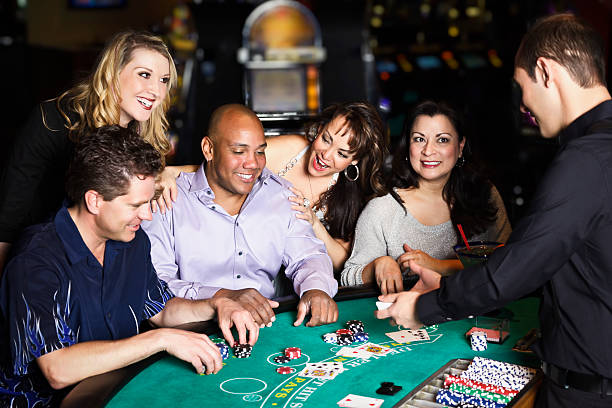
Moreover, the risk-reward dynamic plays a significant role in player behavior. Casinos design games to create an enticing balance between the stakes and the potential rewards. This calculated risk often leads players to indulge in a form of escapism, where they can temporarily forget their everyday worries. Such an environment can facilitate compulsive behavior, as the excitement of potential winnings often overshadows the reality of losses.
The role of cognitive biases in decision-making
Cognitive biases significantly affect how players perceive their chances of winning in casino games. One of the most common biases is the “gambler’s fallacy,” where players mistakenly believe past outcomes will influence future results. For example, a player might think that a slot machine is “due” for a win after a series of losses, leading them to continue playing in hopes of a forthcoming jackpot.
Another cognitive bias is the “illusion of control,” where players overestimate their ability to influence the outcomes of games of chance. This is particularly evident in games like dice or roulette, where the outcome is purely random. Such biases can drive players to engage in more risky behavior, often leading to greater spending at the casino than initially intended.
The impact of social interactions
Social interactions within a casino setting can significantly impact player behavior. The social aspect of gambling is often enhanced by the ambiance of the casino, with its lights, sounds, and communal spaces designed to foster interaction among players. This environment creates a sense of community, where players share experiences and stories, potentially reinforcing their gambling behavior.
Additionally, peer influence can play a crucial role in decision-making. Players may feel pressured to conform to group dynamics, such as betting larger amounts or playing specific games favored by their companions. This social influence can amplify the excitement and intensity of the gaming experience, making it more difficult for individuals to set limits or walk away from the table.
The psychological effects of wins and losses
The psychological effects of winning and losing in a casino are profound and can shape a player’s future behavior. Winning can lead to feelings of elation and increased self-esteem, reinforcing the desire to play more. Unfortunately, these wins can often create a false sense of security, leading players to believe that they are more skilled than they are, which can result in higher stakes and more significant losses in future sessions.
Conversely, losses can evoke feelings of disappointment and frustration, which sometimes lead players to chase their losses. This behavior, known as “loss chasing,” can result in a detrimental cycle where players continue to gamble in hopes of recovering lost money, often leading to significant financial strain and emotional distress.
Conclusion and the importance of safe gaming practices
Understanding the psychology behind casino games and player behavior is crucial for both players and operators. Awareness of cognitive biases and the emotional triggers associated with gambling can help players make informed decisions and engage in safer gaming practices. Casinos themselves have a responsibility to promote responsible gambling by implementing policies that protect vulnerable players.
As individuals engage with online platforms or brick-and-mortar casinos, prioritizing safe gambling practices is essential. Taking breaks, setting limits, and understanding one’s motivations for playing can cultivate a healthier relationship with gambling. Whether it’s for entertainment or a chance to win, ensuring that the experience remains enjoyable and within personal bounds is vital for fostering a sustainable gaming environment.